
Meet Tachand Dubuisson, Founder of Apt-122
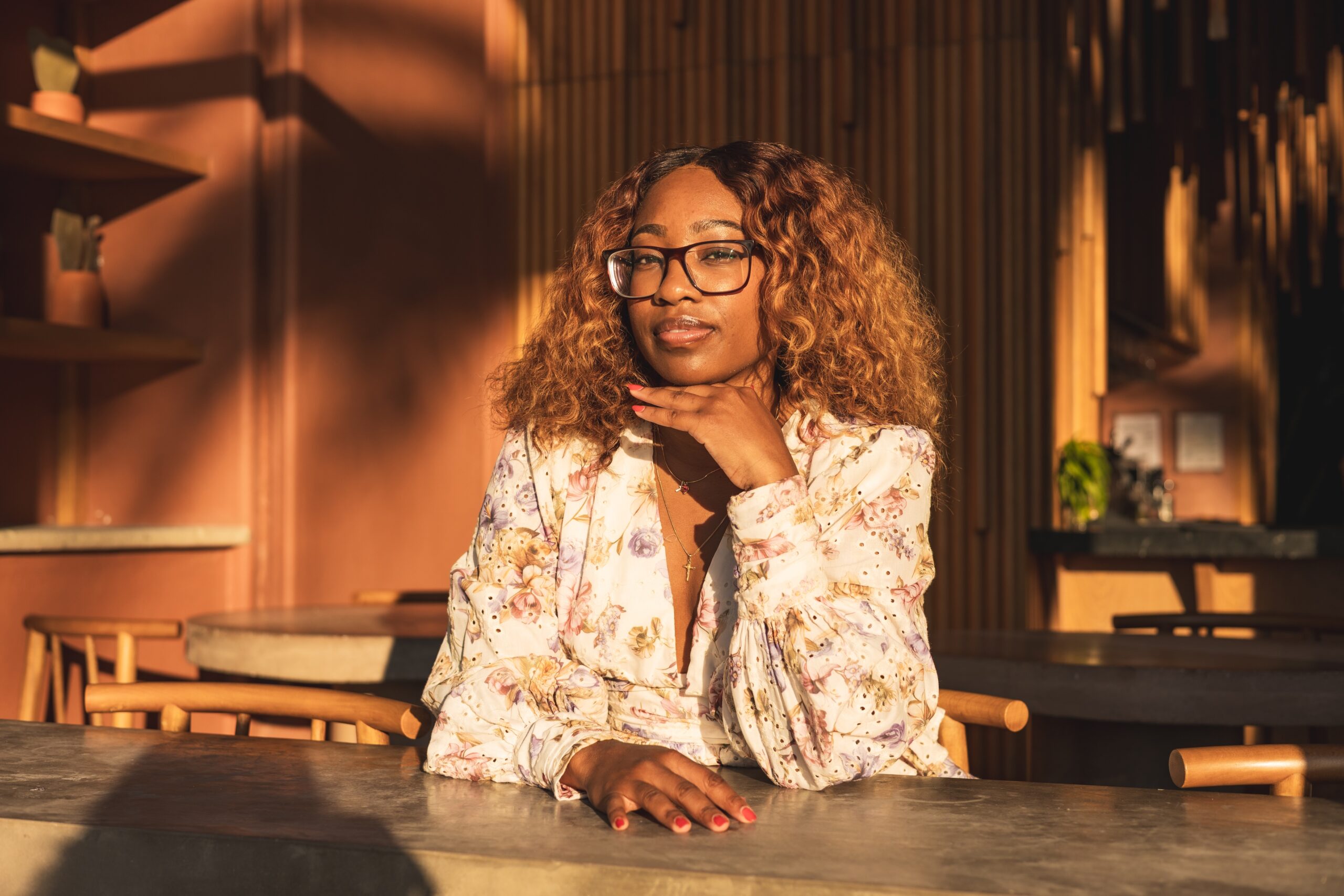
We met Tachand at a coworking day last spring and were immediately struck by the way she approaches her work. She’s building APT‑122, an agency that creates spaces where real people connect and brands thrive. Turning human insights into unforgettable moments that spark emotion, loyalty, and cultural resonance across pop‑ups, concerts, festivals, summits, launches, and more. It felt like something our community needs to know about. Tachand shows that it’s possible to work with brands you aspire to while prioritizing trust, presence, and long‑term excellence. Her approach reminds us that leadership isn’t just what’s seen, it’s the unseen labor, intentional silence, and infrastructure that makes excellence repeatable.
In the conversation that follows, she shares how she evaluates alignment in partnerships, safeguards closeness as her team grows, and the lessons excellence has required her to give up and the rewards it’s brought in return.
DCG: When your name is attached to every decision, silence becomes as meaningful as visibility. How do you decide when to speak, and when restraint is the more powerful choice?
TD: I’ve learned that not every moment requires my voice, but every moment requires my presence. Early on, I felt responsible for filling space with clarifying, correcting, asserting. Over time, I realized restraint can create more trust than intervention. I speak when alignment needs protection or when clarity will unlock momentum. I stay quiet when the room needs ownership, not authority. Silence, when intentional, allows others to rise and that’s often the stronger move.
DCG: APT-122 operates inside high-stakes environments where trust is currency.
How do you personally evaluate whether a partnership is aligned beyond budget or brief?
TD: I pay close attention to how people behave before anything is on the line. How they speak about their teams. How they handle small moments of friction. Alignment shows up in respect for process, not just outcomes. If a partner values speed over integrity, or aesthetics over people, it eventually costs more than any budget can justify. Trust is built in the in-between moments, and those tell me everything.
DCG: You’re often managing complexity that never shows up in the final experience.
What kind of labor do you think goes unseen in leadership and how does that shape the way you lead?
TD: The unseen labor is emotional and anticipatory. Holding uncertainty so others don’t have to. Making decisions before there’s full information. Translating chaos into calm. That work rarely gets acknowledged, but it shapes how I lead with empathy and precision. I try to name the invisible effort within my team because I know how heavy it can be to carry it alone.
DCG: Growth introduces distance. How do you protect closeness to people, to intention, to values as scale increases?
TD: I protect closeness by being deliberate about touchpoints. Systems help us scale, but rituals help us stay human. I stay close to the work—not to control it, but to understand it. And I revisit our “why” often, especially when growth tempts us to move faster than our values can keep up with. Distance happens when intention isn’t actively maintained.
DCG: Every founder eventually confronts the cost of excellence. What has excellence required you to give up and what has it given back in return?
TD: Excellence required restraint moving slower, saying no more often, and choosing alignment over ease. In return, it’s given me trust, longevity, and work that holds its weight without explanation.
DCG: You’re building infrastructure, not moments. What systems or rituals inside APT-122 matter most to you even if no one outside ever notices them?
TD: Our internal planning documents, post-mortems, and training rituals matter deeply to me. They’re not glamorous, but they’re where quality is protected. We obsess over clarity in roles, communication, expectations because I believe excellence is repeatable when infrastructure is respected. Those systems are the quiet reason the visible work holds up.

DCG: Pressure has a way of revealing patterns. When things are most demanding, what patterns in yourself have you learned to watch closely?
TD: As a sole founder, I watch my tendency to over-function. Under pressure, I can slip into carrying more than I should. Now I pause and ask whether stepping in is truly necessary or simply familiar. Leadership, for me, has been learning when to hold the line and when to trust the team to meet it.
DCG: Over time, founders outgrow earlier versions of themselves. What belief you once held tightly no longer serves the leader you are now?
TD: Early on, I equated control with care. I thought being deeply involved in everything was the only way to protect the vision. Now I understand that trust is the real form of care and that giving others room to lead has made both the work and the culture more resilient.
DCG: When APT-122 is examined years from now, not for its events, but for its influence, what do you hope people say about the way it moved, not just what it produced?
TD: I hope they say we moved with intention, integrity, and care. That we created a space where culture wasn’t extracted, but honored. That people felt respected, our clients, collaborators, teams alike. And that we proved excellence and humanity don’t have to be in conflict. They can and should coexist.
Discover Apt-122 here

Be the first to comment